
Supreme Court of Ohio, Federal Courts Implement E-Filing in More Prisons
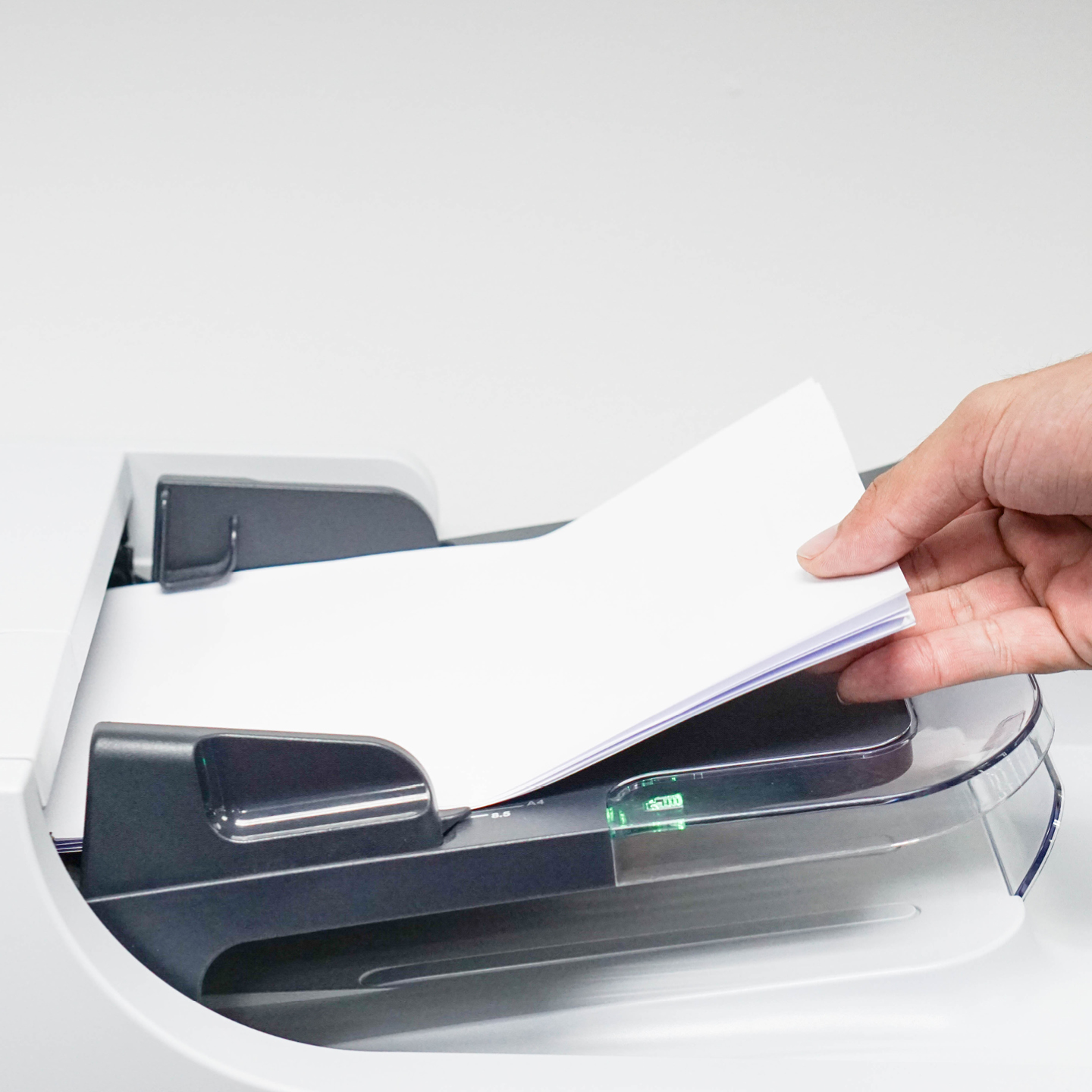
During the past few months, nine Ohio prisons set up the ability to e-file documents to the Supreme Court of Ohio and a federal court.
The capability to electronically file documents with the Supreme Court of Ohio and federal courts has expanded to include nine more prisons in the state.
Scanners and other equipment were installed this summer in the nine prisons, which are located in the geographic jurisdiction of the U.S. District Court for the Northern District of Ohio and operated by the Ohio Department of Rehabilitation and Correction (DRC). The initiative builds on the success of earlier steps that placed equipment in 13 other DRC prisons in the area covered by the U.S. District Court for the Southern District of Ohio.
With the scanning equipment and technology, people incarcerated in the state’s 22 DRC prisons will now be able to use their prison law library to electronically submit filings to the Supreme Court of Ohio and the two federal district courts in the state.
For the Clerk’s Office at the Supreme Court, e-filings from prisons minimizes the amount of paperwork received in large batches from the U.S. Postal Service and enables the Court to process filings faster and more efficiently as they arrive electronically.
“This collaboration between the Supreme Court of Ohio, the federal judiciary, and the Department of Rehabilitation and Correction reflects a commitment to modernizing the courts and resolving cases in a timely manner,” said Chief Justice Sharon L. Kennedy. “The project will help reduce delays for incarcerated litigants and enhance their access to the justice system.”
The nine prisons with new e-filing capabilities are:
- Allen Oakwood Correctional Institution.
- Grafton Correctional Institution.
- Lorain Correctional Institution.
- Mansfield Correctional Institution.
- Marion Correctional Institution.
- Ohio State Penitentiary.
- Richland Correctional Institution.
- Toledo Correctional Institution.
- Trumbull Correctional Institution.
The e-filing process involves the DRC designating a secure location in the law library of each prison for the scanners. Law library staff email the filings from individuals to the courts. Each court has a dedicated email address for incarcerated individuals to use when e-filing.
Currently, responses and documents from the courts are delivered to incarcerated individuals by mail. As a next step, the Supreme Court and the federal courts involved in the initiative will work with the prisons to set up a process to also send materials back to the facilities electronically.